
Custom CNC Milling Services Precision Complex Parts & Molds
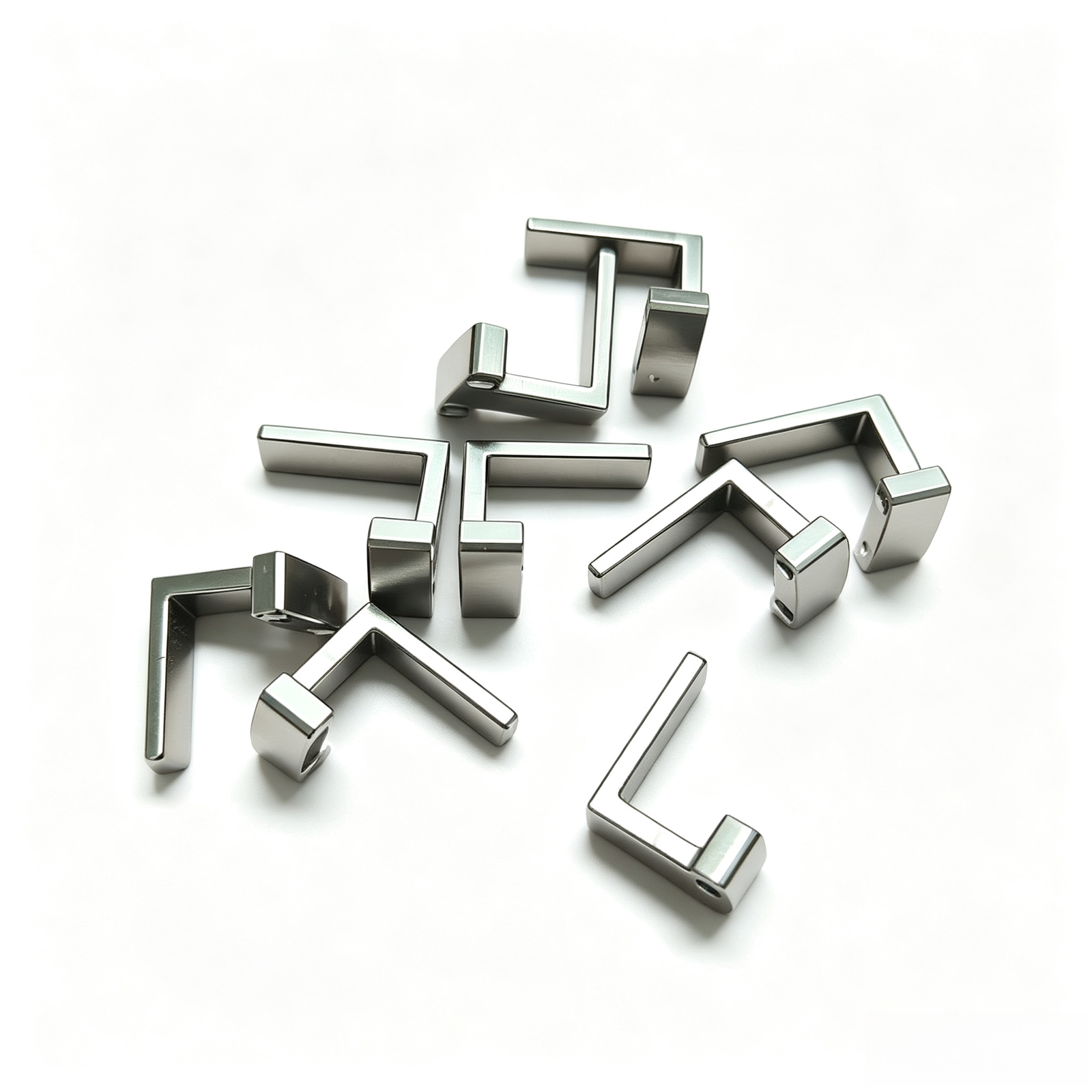
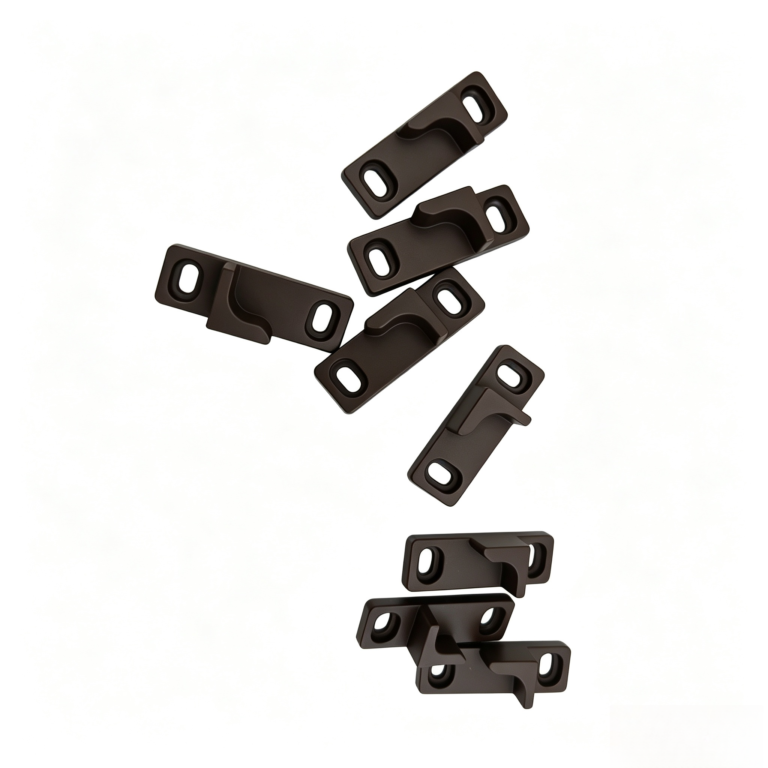
CNC milling is an automated machining process that uses rotating multi-point cutting tools to remove material from a workpiece.
At Borway Precision, our CNC milling centers are the workhorses behind thousands of precision components—from simple brackets to complex 5-axis geometries. Our CNC milling services provide high precision machined parts with complex geometries and tight dimensional tolerance. Equipped with multi-axis milling machines, we are capable of producing small to medium-sized aluminum, stainless steel, brass and steel components for prototype and batch production.
We specialize in aluminum CNC milling parts, offering cost-effective solutions for lightweight and high-strength components.
Our Milling Capacity:
Application of Our Milling Parts:
CNC milling parts are widely used in aerospace brackets, automotive components, electronics housings, mechanical connectors and custom precision assemblies.
A CNC mill is controlled by G-Code generated from your 3D CAD model through CAM software. This code precisely directs every movement: where the tool head travels, how fast it spins, how deep it cuts, and how the workpiece positions. The complexity of these instructions scales with the machine's axis configuration—from basic 3-axis to simultaneous 5-axis machining.
While both use rotating tools, a CNC mill typically moves the tool, the workpiece, or both, enabling superior rigidity and precision for harder materials. This makes milling the preferred choice for industrial-grade manufacturing of metals like stainless steel, titanium, and hardened tool steels, as well as engineering plastics. (CNC routing, by contrast, is more common for softer materials like wood or plastic sheet goods.)
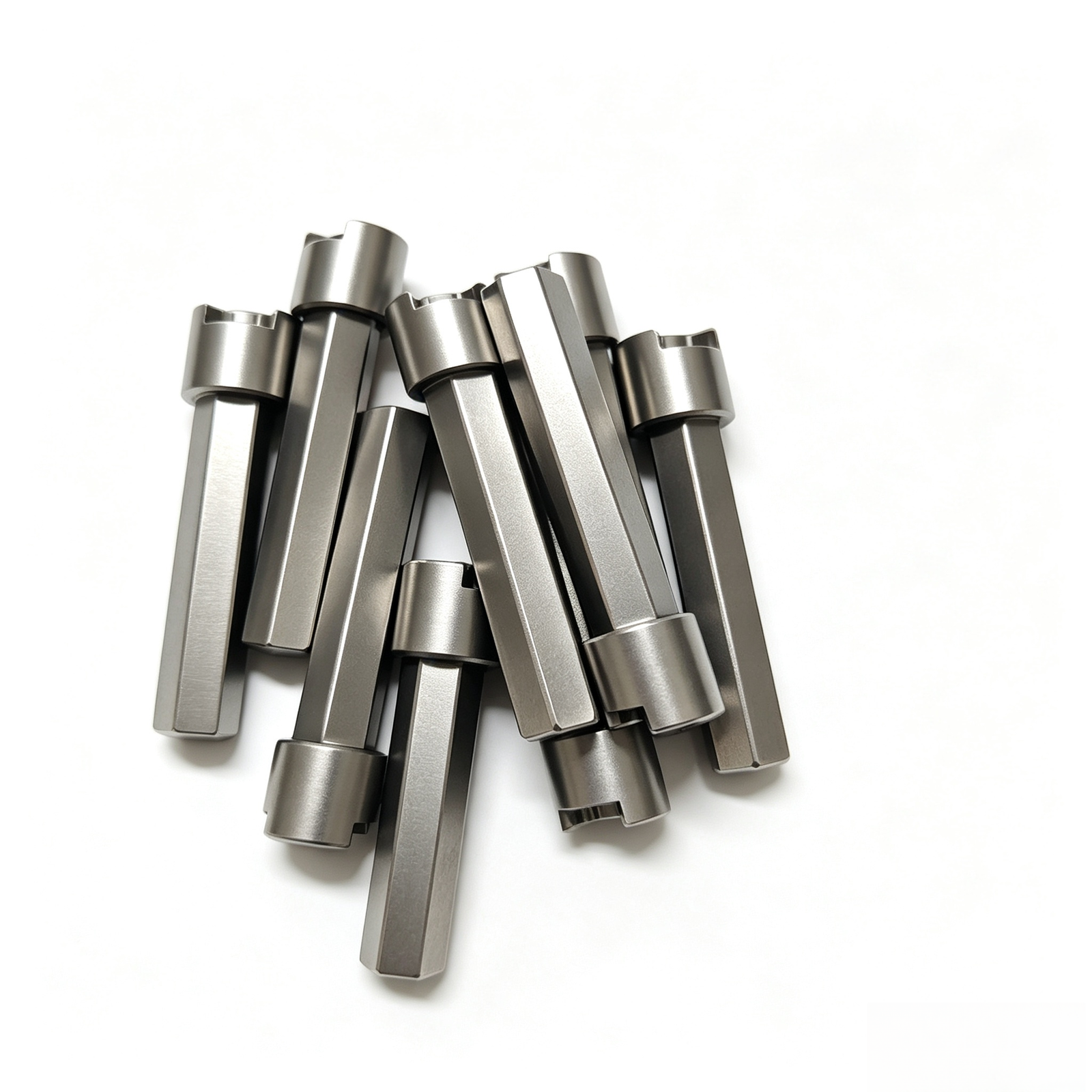
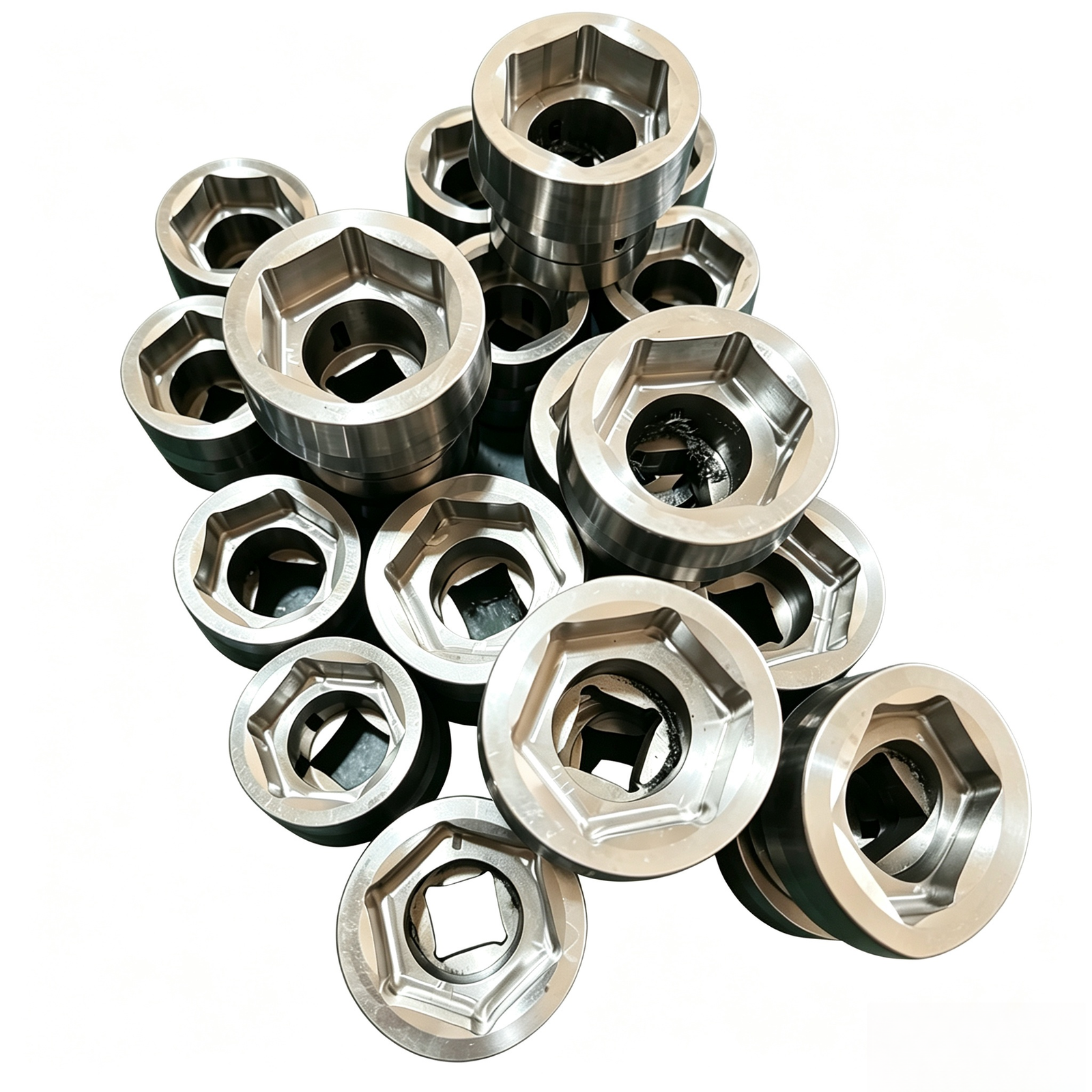
We stock a comprehensive range of metals and plastics to meet diverse application requirements—from lightweight aerospace components to corrosion-resistant medical devices.
Material Category | Common Grades | Typical Applications |
Aluminum | 6061-T6, 7075-T6, 5052, 2024, 6063, MIC-6 | Brackets, housings, heat sinks, prototypes, molds |
Stainless Steel | 303, 304, 316/316L, 17-4, 15-5, 416, 420 | Medical instruments, food-grade parts, marine components |
Steel & Alloy Steel | 1018, 4130, 4140, A36, A2/D2 Tool Steel | Gears, structural parts, tooling, wear-resistant components |
Brass & Bronze | C360 Brass, 260 Brass, C932 Bearing Bronze | Fittings, valves, decorative hardware, bushings |
Copper | C110, 101 | Electrical components, heat exchangers, conductors |
Titanium | Grade 2, Grade 5 (Ti-6Al-4V) | Aerospace brackets, medical implants, high-performance parts |
Engineering Plastics | ABS, Delrin (Acetal), Nylon 6/6, PEEK, Polycarbonate, Acrylic, G-10 Garolite | Prototypes, insulators, wear pads, lightweight structural parts |
If you don't see your required alloy or grade listed, simply select "Custom" during your quote request. Our sourcing team will procure the material and provide a detailed quote.
Finish Type | Description | Best For |
As-Milled | Fastest turnaround. Parts show subtle tool marks with sharp edges broken/deburred by default. Surface finish typically 125 Ra or better. | Functional prototypes, internal components where appearance is secondary. |
Bead Blast | Media-blasted surface (typically glass bead) creating a uniform, smooth matte appearance. | Parts requiring a clean, uniform aesthetic; prepares surface for painting or anodizing. |
Anodizing (Type II/III) | Electrochemical process for aluminum. Type II adds corrosion resistance and color (clear, black, red, gold, etc.). Type III creates a thicker, wear-resistant hard coat. | Aerospace, consumer electronics, automotive—wherever corrosion and wear resistance meet design. |
Powder Coating | Electrostatically applied colored powder baked onto the part surface. Creates a durable, thick, and attractive finish. | Industrial equipment, enclosures, parts exposed to harsh environments. |
Custom Finishes | Need something specific? Let us know. We can explore passivation, nickel plating, chromate conversion, and more. | Specialized requirements for unique applications. |
Specification | Our Standard Capability |
Maximum Part Size | Up to 800mm x 600mm x 400mm |
Standard Machining Tolerance | ±0.002mm (ISO 2768-m) |
Precision Tolerance Capability | ±0.002mm achievable with CMM inspection and full dimensional reporting |
Minimum Feature Size | 0.50 mm (depending on geometry and material) |
Surface Finish (As-Milled) | Ra 1.6 μm (125 Ra) standard; can be improved to Ra 0.4 μm (8 Ra) with additional processes |
Threading | All standard thread sizes supported; custom threads available per drawing |
Edge Break | All sharp edges deburred by default; critical sharp edges must be specified |
Description | General Tolerance or Standard |
|---|---|
Maximum Part Size | Milled parts up to 80” x 48” x 24” (2,032 x 1,219 x 610 mm). |
Distance Dimensions | For features of size (Length, width, height, diameter) and location (position, concentricity, symmetry) +/- 0.005”. |
Orientation and Form Dimensions | 0-12″ +/- 0.005″, Angularity 1/2 degree. For 24″ and beyond please consult FlagShip’s Manufacturing Standards. |
Precision Tolerances | FlagShip can manufacture and inspect to tight tolerances, including sub +/- 0.001″ tolerances, per your drawing specifications and GD&T callouts. |
Minimum Feature Size | 0.020” (0.50 mm). This may vary depending on part geometry and chosen material. |
Threads and Tapped Holes | FlagShip can accommodate any standard thread size. We can also machine custom threads; these will require a manual quote review. |
Surface Finish | The standard finish is as-machined: 125 Ra or better. Additional finishing options can be specified when getting a quote. |
Edge Condition | Sharp edges will be broken and deburred by default. Critical edges that must be left sharp should be noted and specified on a print. |
Send your drawings for a free review and fast quote.
Contact Our Engineering Team →Related CNC machining pages
Production Capabilities at a Glance
Borway Tech provides CNC milling services in Shenzhen, China for aluminum, stainless steel, copper, titanium, steel alloy, and engineering plastic parts with ±0.002mm tolerance control.
Procurement FAQ
What parts fit CNC milling?
CNC milling is used for housings, plates, brackets, blocks, fixtures, and parts with slots, pockets, and drilled features.
What tolerance can milling hold?
The site-wide tolerance target is ±0.002mm. Feasibility depends on feature size, material, and setup.
Which materials can be milled?
Common materials include aluminum, stainless steel, steel alloy, copper, titanium, PEEK, Delrin, Nylon, PTFE, and ABS.
Can you inspect milled parts?
Yes. Critical dimensions can be checked by CMM or other inspection tools according to the drawing.